

Skid Steer vs Track Loader: Which One is Better for Your Job Site?
Choosing the right compact construction equipment for your job site can significantly impact your project's efficiency, cost, and overall success…
By Wajahat Ali Usmani8 min read
Choosing the right compact construction equipment for your job site can significantly impact your project's efficiency, cost, and overall success. Construction, landscaping, and material handling tasks require both machines, but understanding their major differences is crucial to making the right choice.
EquipmentsFinder helps contractors, landscapers, and construction professionals make these important equipment decisions. Our comprehensive comparison will help you determine which machine is right for your specific job site performance requirements and terrain.
Understanding Skid Steer vs Track Loaders
What is a Skid Steer Loader?
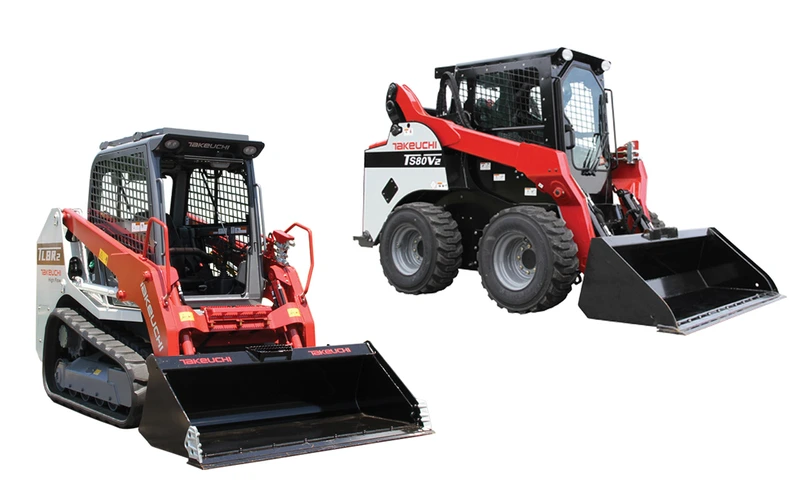
This compact, wheeled loader is characterised by a rigid frame and a unique steering mechanism. By driving the wheels on each side at different speeds, skid steers turn by skidding or dragging their fixed axles over the ground. Skid steers are typically equipped with four wheels and rubber tires and feature a variety of attachments, like buckets and forks, as well as specialised tools. Construction, landscaping, and agricultural operations rely on their compact size and manoeuvrability.
Common Skid Steer Uses:
Material handling and loading: Loading dirt, gravel, sand, and other bulk materials into trucks or storage areas.
Excavation and trenching: Excavating for foundations, utility trenches, and earthmoving on a small scale.
Demolition work: Demolition of concrete, removing old structures, and clearing debris.
Landscaping projects: Levelling terrain, moving mulch, and installing hardscape.
Snow removal: Using snow blades to clear parking lots, sidewalks, and driveways.
Road maintenance: Repairing potholes, repairing shoulders, and constructing small roads.
What is Track Loader?
Track loaders, also known as compact track loaders, are similar to skid steers but have rubber tracks instead of wheels. Performance characteristics, ground pressure distribution, and overall job site functionality are significantly impacted by this fundamental difference. Although track loaders maintain the same compact dimensions and attachment versatility as their wheeled counterparts, they are more stable and offer enhanced traction in challenging terrain conditions.
Common Track Loader Uses:
Soft terrain excavation: Working in muddy, sandy, or marshy conditions that make wheeled machines sink.
Sensitive surface work: Avoiding damage to finished lawns, golf courses, and landscaped areas.
Forestry operations: Supporting land clearing, trail building, and timber harvesting.
Beach and coastal construction: Working in sand and soft coastal soils for seawalls and erosion control
Agricultural field work: Installing tiles and preparing fields during wet weather.
Winter construction projects: Providing reliable traction on snow-covered and frozen ground.
Key Differences between Skid Steer vs Track Loader
Mobility and Manoeuvrability
They differ primarily in their locomotion systems. The wheeled design of skid steers offers superior speed on hard surfaces, making them ideal for projects where frequent movement between locations is required. Rubber tires provide efficient transportation on roads and concrete surfaces.
The track loader sacrifices some speed for greater stability and traction. Despite their slower speed on hard surfaces, tracked machines perform better on soft, uneven, or muddy terrain compared with wheeled machines.
Terrain Performance
The terrain conditions determine which machine performs best. A skid steer excels on firm, level surfaces, such as concrete, asphalt, and compacted soil. As a result of their wheeled design, they are able to change direction quickly and operate efficiently on stable ground.
The track loader excels in challenging terrain conditions like muddy job sites, loose soil, sand, and uneven terrain. Continuous rubber tracks distribute weight more evenly, reducing ground pressure by up to 50% compared to wheeled machines. Their ground preservation properties make them invaluable for landscaping equipment applications.
Traction and Stability
Each machine has a different level of traction. Skid steers may lose traction on slopes and in slippery conditions because continuous tracks grip surfaces more effectively. On firm surfaces, skid steers offer better stability at higher speeds.
The large contact patch of track loaders provides superior traction. Track loaders also have a higher level of machine stability, particularly on uneven terrain. Lower ground pressure and a wider track base provide better stability on slopes and when carrying heavy loads.
Speed
Skid steers are fast-moving machines. Due to their lightweight design and high-speed tires, the wheeled loader can move faster than compact track loaders. Flat surfaces are especially conducive to skid steers' speed. Skid steers make turning easier and faster.
A track loader is slower than a skid steer. Consequently, they are less suited to tasks requiring a lot of moving from one spot to another. Generally, longer projects are not a problem, but it must be kept in mind when working on a tight schedule. As opposed to skid steers, they are more efficient and faster on uneven terrain.
Cleanup Suitability
Functionality is important, but the machine's ability to assist with cleanup after a job is complete should also be taken into consideration. Cleaning up a job site quickly can make a noticeable difference in your schedule. Cleaning up job sites on concrete or other hard surfaces is easier with skid steers, especially in urban settings.
Soft surfaces and grass are less damaged by track loaders. They don't tear up the ground and leave holes in the soil because of their flat tracks and even weight distribution. Compact track loaders are better at cleaning up soft or uneven ground than skid steers when it comes to smaller jobs and flat surfaces.
Maintenance and Upkeep Costs
Skid steers are cost-effective and easy to maintain. Their parts can be replaced more easily if they break, so maintenance is less frequent. By being able to access the undercarriage through the wheels, you can easily maintain and clean the machine.
Compact track loaders have tracks covering nearly the entire undercarriage. Therefore, cleaning and maintaining it takes more time and effort. For simple tasks and one-off projects, this can be a major problem. Track loaders tend to be rented more often than purchased, for this reason. When maintenance must be done carefully and frequently, avoiding it can reduce productivity.
Performance Comparison by Application
Construction Applications
Construction loader tasks are handled by both machines in different ways depending on the circumstances. Material handling on established construction sites with firm surfaces, loading trucks, and working in tight spaces around buildings is ideal for skid steers. The speed and manoeuvrability of these machines make them ideal for repetitive tasks.
Earthmoving, site preparation, and working in muddy or unstable conditions are common tasks for track loaders during construction. Excavation support and rough terrain work are made easier by their ability to maintain traction and stability on challenging surfaces.
Landscaping and Grounds Maintenance
Surface protection requirements are often a deciding factor in landscaping equipment applications. A skid steer is a great tool for hardscape installation, material transport on firm surfaces, and other projects in which speed and manoeuvrability take precedence over surface protection.
A track loader is preferred when working on finished lawns, soft soils, and in areas where surface damage needs to be minimised. While maintaining operational capability, their lower ground pressure preserves delicate surfaces.
Renting vs. Buying Skid Steers and Track Loaders
When to Rent
Several scenarios make renting financially viable. Renting from EquipmentsFinder has many advantages. It's certainly the most cost-effective option in the short term. Additionally, renting gives you a lot of control over when you use the machine. A strategic rental program can alleviate the burden of carrying equipment costs year-round for seasonal businesses, such as landscaping companies, during the winter months.
When to Buy
Purchasing becomes advantageous for long-term, consistent usage exceeding 600-800 hours per year. Those companies with steady workloads can justify ownership through reduced per-hour costs and immediate availability of equipment. Additionally, ownership provides complete control over maintenance requirements and equipment modifications. This is especially true for skid steers and track loaders, both of which are reliable machines. Consider buying machines from EquipmentsFinder; you'll use them year-round or at most job sites.
Making the Right Choice for Your Project
Skid steers and track loaders are different in their performance, terrain, and budget requirements. While skid steers excel in applications requiring speed, manoeuvrability, and operation on firm surfaces, track loaders are best suited for challenging terrain and applications requiring surface protection.
With EquipmentsFinder, we understand that selecting the right construction loader for a project can have a significant impact on its productivity and profitability. Whether you are considering renting or purchasing this equipment, take into account your typical working conditions, project requirements, and long-term operational needs. Both types of machines can provide the ultimate flexibility when working on varied terrain conditions.
Frequently Asked Questions (FAQs):
Which is Better for Rough or Muddy Terrain?
A track loader performs significantly better in rough or muddy terrain than a skid steer. Rubber tracks provide superior traction and distribute weight more evenly, preventing the machine from sinking into soft surfaces. In challenging terrain, track loaders are the clear choice due to their lower ground pressure.
Can Both Machines Use the Same Attachments?
Yes, skid steers and track loaders typically have the same attachment mounting system and can accept the same attachments. Due to this compatibility, operators can utilise existing attachment inventories regardless of the machine they choose, allowing them to save money and time.
Which Machine Has Better Traction?
A track loader provides superior traction due to its large ground contact area and continuous track design. Especially on uneven terrain, tracks maintain contact with the ground more consistently than wheels, providing better grip and pushing power.
Is a Track Loader Worth the Extra Cost?
Depending on your specific application and terrain conditions, the value proposition may vary. Their superior traction and stability make track loaders particularly useful when operating in challenging terrain, on surfaces that require protection, or in applications where they provide significant productivity advantages.
Which is More Stable on Slopes?
The lower centre of gravity, wider track base, and better traction of track loaders make them more stable when operating on slopes. As opposed to wheeled machines, continuous tracks provide more consistent contact with sloped surfaces, reducing the risk of sliding or tipping.


