EquipmentsFinder
Need equipment? Have equipment?
Buyers post one request and get quotes from suppliers. Suppliers list free and reach active demand.
6 listings available
Six plate compactors are listed for hire in the UAE today (8 November 2026), from 6 suppliers, one of them verified. Four are in Dubai, one in Abu Dhabi (Musaffah) and one in Sharjah. The listings name American, Astec, Atlas and Caterpillar, one each. Only one shows a monthly rate, and none a usable daily rate, so suppliers need to be called for prices.
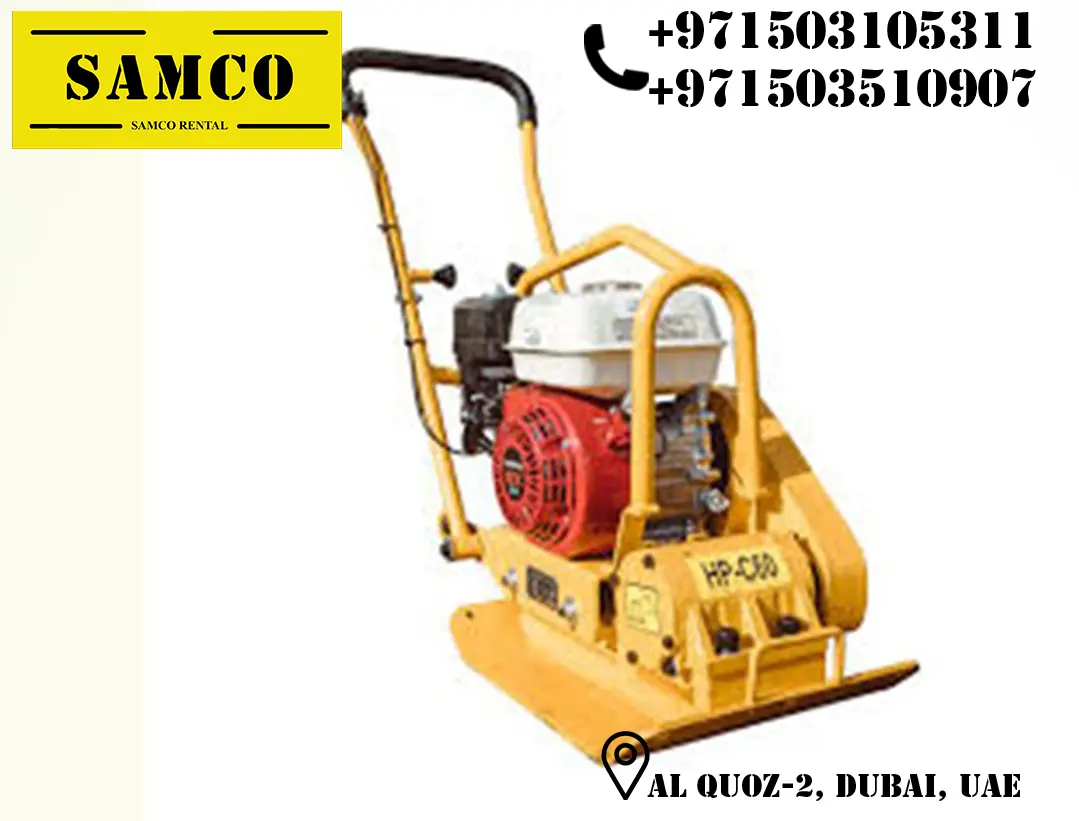
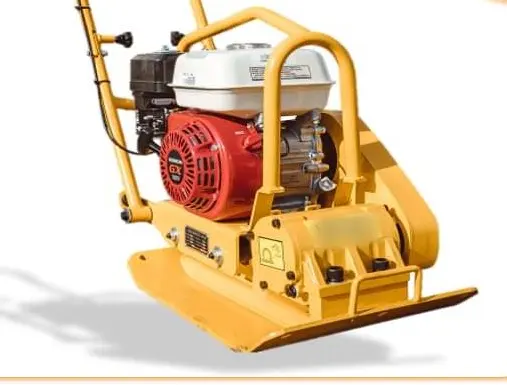
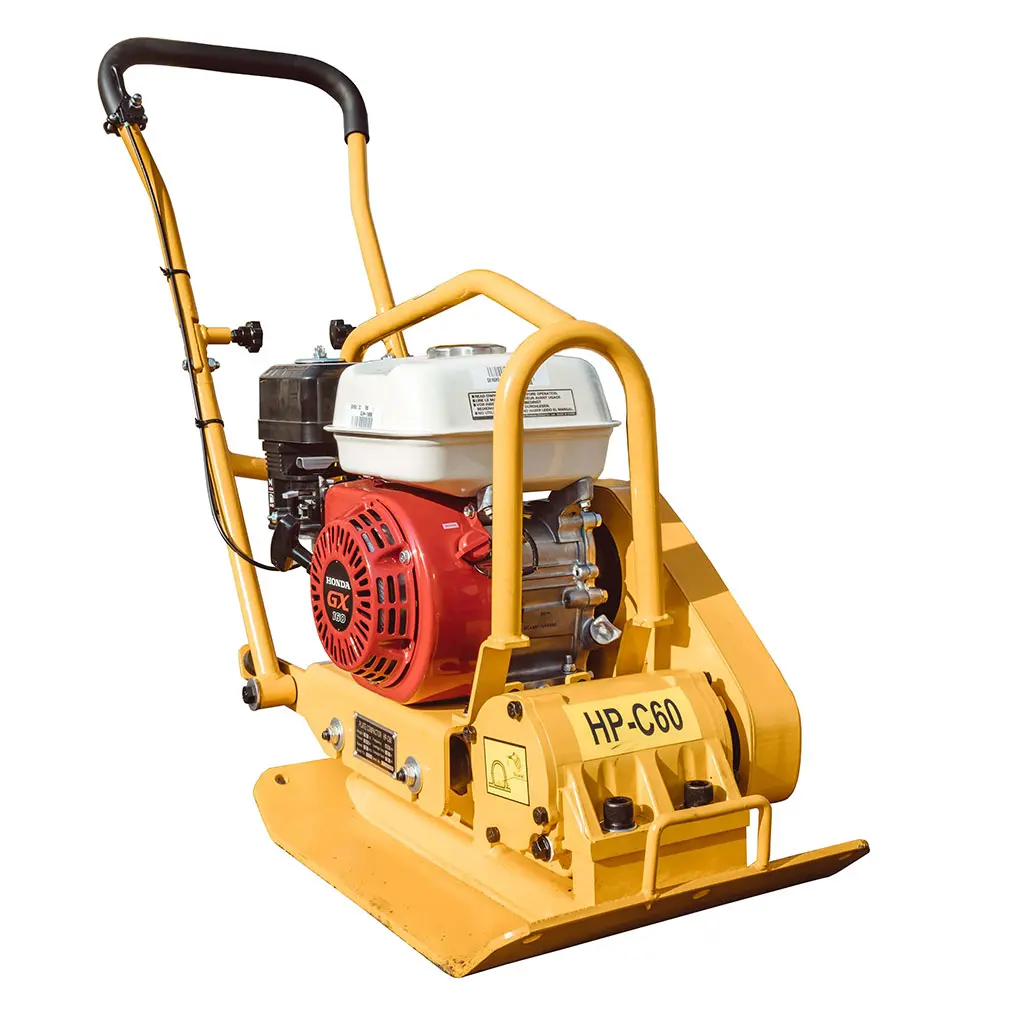
A plate compactor is a petrol or diesel engine on top of a steel base plate that vibrates against the ground. The operator walks behind it. It is the standard tool for settling sand, gravel and crushed stone in trenches, under slabs, around kerbs and behind retaining walls, and for bedding interlocking pavers. Forward-moving models suit open areas; reversible plates are better in narrow trenches. Our guide explains what a plate compactor is and how it works.
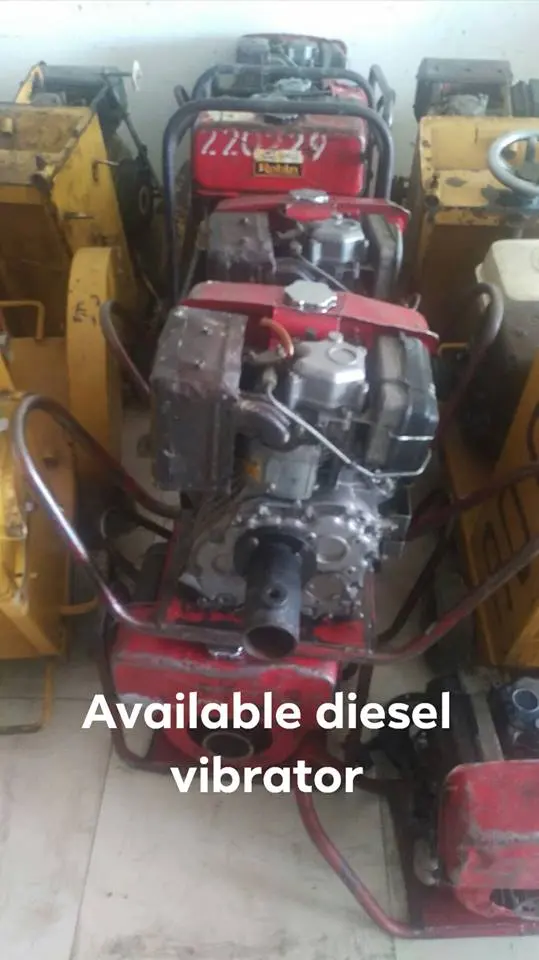
Listings are worded loosely. The same machine also appears as hand compactor, diesel vibrator or vibrating plate. One listing today names its weight, 120 kg.
Plate size and weight set the depth of fill that one pass will compact. A light plate handles pavers and shallow fill; a heavy reversible plate handles trench backfill.
| Job | Plate to ask for |
|---|---|
| Interlocking pavers, paths, thin sand beds | Light forward plate, around 60 to 100 kg |
| Trench backfill, base under slabs, kerb haunching | Medium plate, around 100 to 200 kg, reversible if the trench is narrow |
| Thicker granular layers, road patches | Heavy reversible plate, above 200 kg |
These are rules of thumb, not listing data. Ask the supplier for the weight and centrifugal force.
Most hire is for utility trenches, kerb and paving work, villa foundations and patching around manholes. Sand and crushed stone compact well under a plate in thin layers; cohesive clay does not.
Plate compactors are hired by the day, the week or the month. Because only one listing shows a rate, there is no typical price to give. What moves the quote:
A plate is a walk-behind machine, so most suppliers hire it without an operator. Confirm this when you call.
If a plate is too light for the layer, move to a roller. See compactors for rent, road rollers, single-drum rollers or hand rollers. To buy one instead, see plate compactors for sale. Or post an inquiry with the job details and let suppliers quote.
Light plates of around 60 to 100 kilograms suit pavers and thin granular layers. Medium plates of 100 to 200 kilograms handle trenches and base courses. Heavier reversible plates compact thicker layers. Match the machine to the depth of each layer you place, and ask the supplier for the weight and centrifugal force.
Generally a few centimetres to a quarter of a metre, depending on the machine and the material. Granular soil compacts best in thin layers rolled several times. Cohesive clay needs a different tool, so tell the supplier what you are compacting and they can advise.
Usually yes, since it is a walk-behind machine that most site crews can use after a short briefing. Whether an operator is available varies by supplier and is stated on the listing or confirmed when you call. Ask about fuel, delivery and collection at the same time.
Moisture helps granular soil compact, and too little or too much cuts the effect. Soil with the right moisture feels damp, not wet. Some plates have a water tank for asphalt or pavers. Ask the supplier whether the listed machine has one.
A forward plate is lighter and cheaper and works in open areas where you can turn it. A reversible plate can walk back out of a trench by itself, which makes it safer and faster in narrow cuts and against walls. If the work is mostly trenches, ask for a reversible one.