

Backhoe vs. Excavator: Key Differences and How To Choose What's Best for Your Project
Heavy equipment is utilised in various industries to enhance efficiency and perform complex tasks. Selecting the right equipment for the job ensures its…
By Wajahat Ali Usmani9 min read
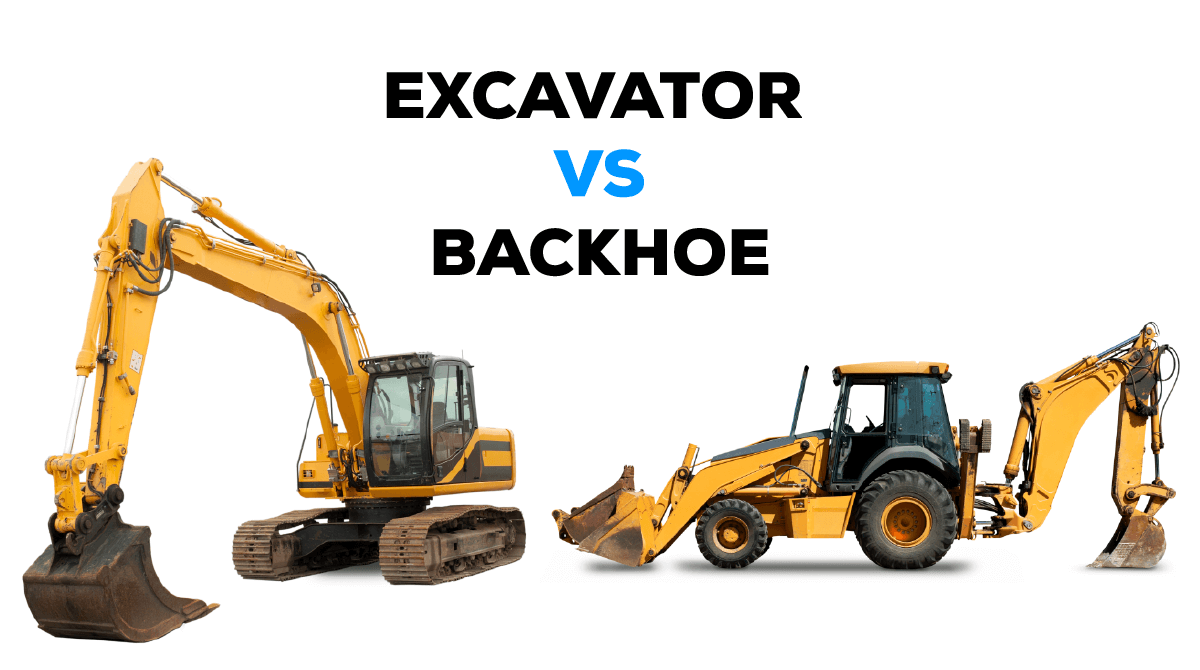
Heavy equipment is utilised in various industries to enhance efficiency and perform complex tasks. Selecting the right equipment for the job ensures its longevity and the success of your projects. Many of the tasks that backhoes and excavators perform are similar in construction, landscaping, and agriculture. There are, however, some key differences between them that can affect your projects. When it comes to completing a job effectively, choosing the right machine for your application is essential.
You can find the equipment and expertise you need at EquipmentsFinder. We offer a range of new and used equipment for sale or rent to meet your budgetary needs. Here's what you need to know about backhoe loaders and excavators and how to choose the right equipment.
What is a Backhoe Loader?
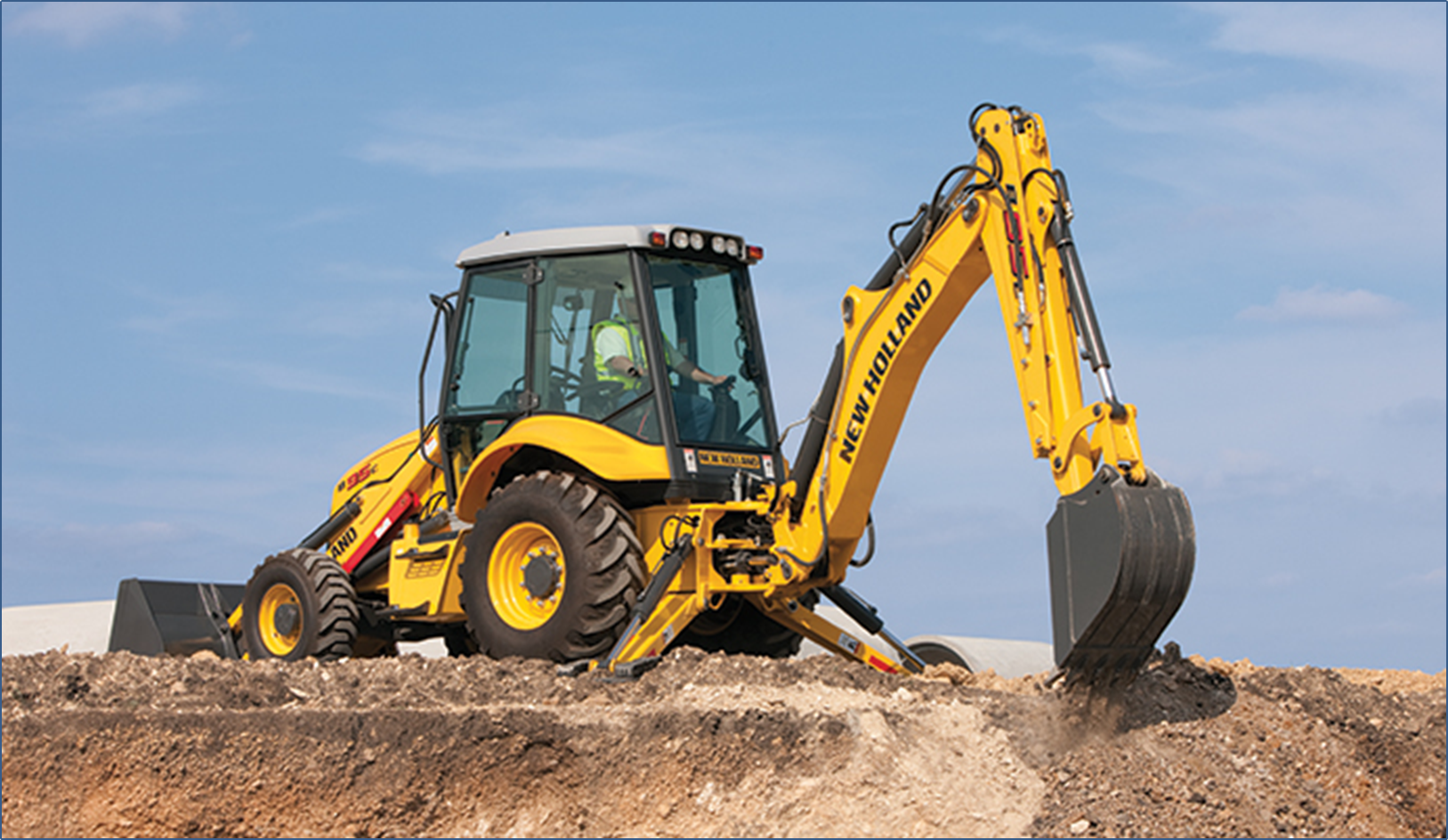
Backhoe loaders are smaller pieces of equipment that are easy to manoeuvre. These machines feature a boom, bucket, and stick on the back, along with a large loader on the front. Some models of backhoes are capable of digging as deep as nearly 20 feet. Even on uneven terrain, they are stable and have a 200-degree rotation limit.
Those parts which connect the backhoe arm to the tractor are called booms, and those which hold the digger bucket are called dipper sticks. King's posts connect the boom to the dipper via a pivot. Various attachments for a backhoe are available, such as drills, hammers, rippers, rakes, and breakers. It can also be replaced with different brooms, ploughs, and forklifts. Backhoes can even serve as cranes when straps are looped over the dipper stick of a lifted object.
Landscaping, construction, and agricultural applications can all be performed with backhoes. Their uses include digging up trees, excavating land, transporting soil and construction waste, and breaking up pavement. Various attachments are available for backhoe loaders to enhance their versatility and functionality.
Common Uses of a Backhoe
A backhoe is like a Swiss Army knife for construction. They excel in these areas:
Digging trenches for cables and pipes.
Moving dirt, gravel, and sand.
Light demolition work.
Material loading into trucks.
Landscaping jobs.
Snow removal with the right attachment.
What Is an Excavator?
Excavators are machines used for digging. The chassis, digging bucket, boom, and dipper are attached to the chassis, which is typically moved by wheels and tracks. Tracked excavators are commonly known as "trackhoes." Excavators have a digging arm that can lift and dig up heavy materials.
An excavator's cab can rotate 360 degrees, allowing the operator to easily position the digging arm. The digging arm of many excavators is also equipped with a dozer blade. Excavatorscan be equipped with a variety of attachments, allowing them to perform tasks beyond digging, such as forestry and demolition.
Common Uses of an Excavator
When digging and lifting heavy objects, excavators are your best choice. They are used for:
Digging deep foundations.
Heavy-duty demolition.
Trenching on a large scale.
Material lifting, such as lifting pipes or beams.
Quarrying and mining.
River dredging.
Key Differences Between a Backhoe and an Excavator
1. Size
Your machine should be the right size for your project. If you're working on a large-scale construction, excavation or demolition project, you're likely to benefit from an excavator. Consider using a backhoe for moderately sized projects.
The excavators often weigh more and are larger than the backhoes, but they are less maneuverable. It is usually better to use a standard or large excavator for these applications. It may, however, be beneficial to use a backhoe for projects that are moderate in scale or on smaller sites. In general, excavators are better suited for projects such as pile driving, mining, demolition, and drilling shafts for rock blasting, while backhoes are better suited for tasks like loading, farming, and snow removal.
2. Rang of Rotation
Backhoe excavators can rotate around 360 degrees, whereas a backhoe machine is unable to do so. A backhoe's loader arm can usually rotate only 200 degrees. This distinction is quite crucial for operators. Having an excavator with a wide range of rotation saves time because it does not require constant adjustment.
3. Versatility and Attachments
Both backhoes and excavators can be equipped with a variety of attachments. Backhoes, on the other hand, offer more attachment possibilities due to their dual-purpose design. With a loader-style bucket at the front and a backhoe at the rear, they can easily be transformed for different tasks. Apart from digging, a backhoe can be equipped with a broom for cleaning up construction sites or a forklift attachment for moving pallets.
Although excavators have fewer attachment options in some cases, they excel in heavy-duty applications. Their attachments can include hydraulic breakers for demolishing concrete structures, long-reach arms for dredging work, and grapples for handling scrap materials. With EquipmentsFinder, you can find detailed information about available attachment options for both backhoes and excavators to help you find the perfect match.
4. Mobility
Backhoe excavators are more mobile than other machines. Since they are wheeled vehicles, they can be transported between job sites at speeds of up to 25 miles per hour on public roads. Having multiple locations is a significant advantage for projects that span a long period. A backhoe can be quickly moved from one site to another if you work on a series of small projects in different neighbourhoods.
5. Task Specificity
Some tasks, such as digging, can be accomplished with either a backhoe or an excavator, but others require a specific type of machine. Check the equipment you choose is capable of handling the specific tasks and attachments you expect to need on your project.
Choosing a Backhoe Loader and an Excavator: Which One Is Best for Your Project?
Choosing between a backhoe and an excavator depends on several factors. Here are some considerations to keep in mind:
Job Scale
An excavator is likely the best choice for a large-scale construction project, such as building a skyscraper or developing infrastructure. Due to its size and power, it can handle large volumes of earth and materials more efficiently.
Backhoes are suitable for smaller projects, such as building a small commercial building or a single-family home. Due to its smaller size and manoeuvrability, it is ideal for digging foundations, moving materials around the site, and performing light excavations.
Strength Requirements
Excavators are more powerful than backhoes in terms of brute force. These machines are designed for heavy-duty tasks such as rock blasting, driving piles, and large-scale demolition. You'll need an excavator with the right attachment if you need to break through tough materials or lift heavy objects.
Despite being less powerful than excavators, backhoes can still handle medium-strength tasks. They can dig in softer soils, load materials onto trucks, and perform other duties at the construction site.
Mobility Needs
When your project requires frequent movement between different job sites, a backhoe's ability to drive on public roads can be an asset. For contractors working on multiple projects at various locations, this saves them time and reduces transportation costs.
In contrast, if you are working on a single large-scale site, a backhoe's mobility may not be as crucial. There may be a greater advantage to using an excavator's greater power and motion in this case.
Job Requirements
Backhoes and excavators can be used to complete some jobs, but others require one over the other. It makes sense to use an excavator if your project involves digging a large, deep trench for a sewer line due to its greater reach and digging power. Alternatively, a backhoe with its versatile attachments may be a better choice if you need to clean up a construction site and move small amounts of debris while also doing some light excavation.
Backhoe Loader vs. Excavator Applications
Backhoe loaders and excavators are best suited to different types of work.
Demolition
Excavators and backhoes are both capable of demolition work, but they serve different purposes. Excavators are typically used for large-scale demolition jobs because they can handle a variety of materials, including wood, concrete, bricks, and road surfaces. With their strength, excavators are often used to tear down office buildings, apartments, bridges, industrial sites, viaducts, and roads.
However, backhoes excel in smaller demolition tasks, such as tearing down homes or low-rise buildings. As a result of their manoeuvrability, they can easily traverse tricky terrain. Furthermore, their buckets can be used to haul away debris and dig into the ground, so they're handy for demolition sites and cleanups.
Farm Work
Backhoes are usually better suited to most farm work. Due to their wheels, these vehicles can go faster across fields, helping you cover a lot more ground in a short amount of time. Backhoes are valuable on farms because of their flexibility. From moving hay and crops to digging holes with augers, you can do it all with the right attachments. Equipment or materials can also be moved with the front bucket.
Excavators are useful for tasks that backhoes cannot handle. Excavators can handle heavy lifting, such as digging foundations for barns or drilling post holes for fences.
Mining
Mining excavators are built to handle challenging tasks. The large excavators can move a significant amount of earth and rock in fewer passes, making site preparation fast and efficient. Their high lifting power, fuel efficiency, and strong digging capabilities make them a popular choice for mining and big infrastructure projects.
Although on a smaller scale, backhoes can also be used in mining. Backhoes can break up rock, concrete, and asphalt with attachments such as hammers and breakers. It's beneficial for tasks such as backfilling and breaking through stubborn surfaces when a mining excavator isn't required.
Landscaping
Landscape work is usually best done by backhoe loaders, especially for smaller projects. As they are lighter, they put less pressure on soft ground, which helps protect delicate lawns and soil. It's excellent for digging ponds, moving trees, and even clearing snow in the winter. Additionally, backhoes can be used to dig irrigation trenches or move large quantities of soil and mulch.
Larger landscaping jobs, however, may require the use of an excavator. Excavators can handle heavy rocks, build water features with ease, and place retaining walls with ease. Additionally, mini excavators are popular for landscaping since they can fit into tight spaces while digging precise holes for trees, fence posts, or foundation supports.
Get the Right Excavator or Backhoe Loader with EquipmentsFinder
At EquipmentsFinder, we're proud of the high-quality equipment and service we provide our clients. You can purchase or rent new or used equipment to meet your project requirements. With each of our machines, you can meet your needs while staying within your budget or expanding your project offerings. Whether you need a backhoe loader or an excavator for a small project, EquipmentsFinder can provide you with the equipment you need. Discover the perfect equipment for your needs in our selection, or contact us for expert assistance in selecting the right machine.


