

Common Trenching and Excavation Hazards
When you see a deep trench on a construction site, it might not seem complicated. It's just a hole in the ground, right? Taking the right precautions will…
By Wajahat Ali Usmani7 min read
When you see a deep trench on a construction site, it might not seem complicated. It's just a hole in the ground, right? Taking the right precautions will prevent this hole from becoming a death trap. Trenching and excavation are more risky than they appear.
Construction and utility work require trenching and excavation, but they also pose significant safety hazards. OSHA (Occupational Safety and Health Administration) considers trench collapses the most dangerous type of construction incidents, often resulting in fatalities. These risks can be minimized with proper awareness and adherence to safety practices. Whether you're a contractor, a site manager, or renting heavy equipment through EquipmentsFinder, this guide will help you stay safe.
Why Is Excavation So Dangerous?
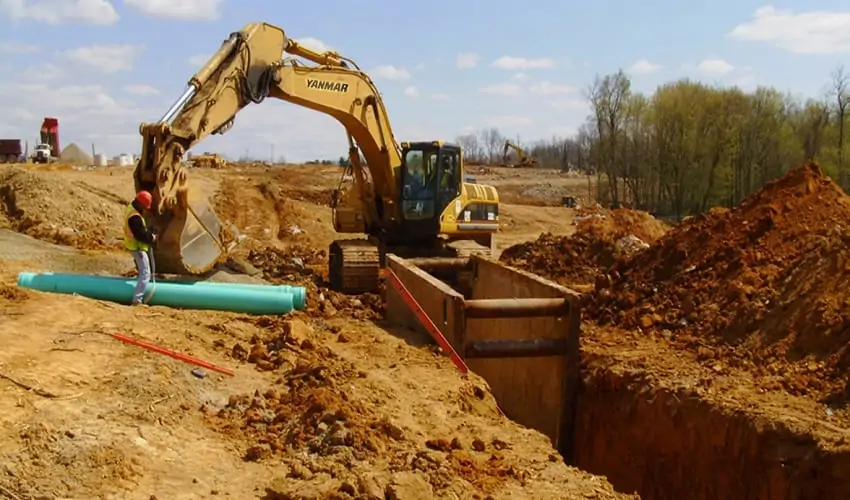
Excavation is the process of removing earth in order to create space for things like pipelines, cables, basements, and foundations. A trench is a narrow excavation that is deeper than it is wide. It's a routine part of construction, but it's far from harmless.
Why is excavation so dangerous? A combination of factors is involved. The soil is unstable. There has been poor weather. A lot of heavy equipment. Additionally, working underground limits your escape options. There is a great deal of danger on many job sites. Silent and sudden excavation hazards are common. That's why knowledge and preparation are so important. With EquipmentsFinder, you'll find rugged and reliable machines that make excavation safer and easier. It's also up to the crew to know what they'll face.
What is the Difference Between Trenching and Excavation?
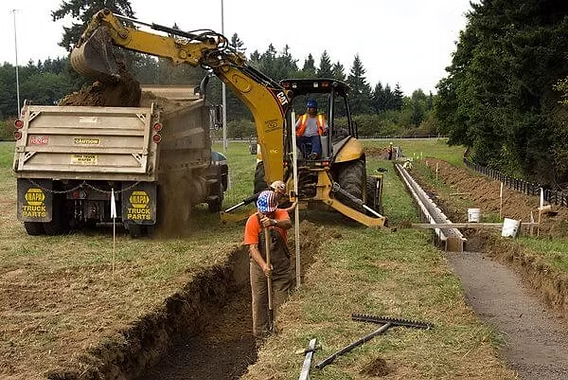
Excavation and trenching are often used interchangeably, but they're not the same. Excavation includes any form of digging or removing earth, whether for foundations, basements, or roads. Basically, it encompasses any activity involving digging holes in the ground, no matter how large, wide, or deep.
Trenching, on the other hand, is a specific kind of excavation. A narrow and deep cut is typically dug for laying pipes, cables, or drainage systems. A trench is always deeper than it is wide, which makes it more hazardous due to the higher risk of cave-ins and restricted movement. So, while all trenching is excavation, not all excavation is trenching.
The main difference between excavation and trenching is that excavation encompasses any man-made cut in the earth's surface. Excavations are not always made up of trenches, even though trenches can be called excavations.
Trenches in Construction
A trench is typically classified according to its purpose and depth. Construction trenches come in a variety of types.
Utility Trenches:
Utility lines such as water, sewer, or electrical lines are dug to install or repair them. The depth can vary, but they are usually shallow.
Foundation Trenches:
A base for the foundation of a building was excavated. As these trenches are deeper, careful planning and preparation are required.
Drainage Trenches:
Designed to manage surface water or groundwater. In flood-prone areas or structures, they are used to redirect water away from them.
Access Trenches:
Provides access to underground structures, such as basements and tunnels. Often, they require additional support because they are deeper.
There are specific requirements for trench safety and construction practices in order to prevent cave-ins.
Trenching and Excavation Hazards
Here are trenching and excavation hazards that commonly cause injuries and deaths to construction workers. What are the conditions that lead to trench cave-ins?
1. Trench Collapses or Cave-Ins
Cave-ins or trench collapses occur when the walls of an excavation site or trench collapse inwards because of instability or inadequate use of safety methods, including sloped or benched sides of the trench, shoring or supporting excavation walls, or placing a shield between the excavation/trench and work area. There are lots of reasons why trenches or excavations collapse, including unstable soil, vibrations from machinery nearby, vibrations from heavy traffic close to the trench, flooding, heavy rain, and excessive pressure on the trench edge.
When excavations or trenches collapse, workers are buried under tons of sand and rock, suffocate from soil smothering them, or suffer other less fatal injuries that still require hospitalization.
Before excavation work starts, employers need to make sure a competent person inspects work sites daily before the start of each shift, and as needed thereafter. If it rains suddenly after the pre-work inspection, there might be excess water in the trench that might make it unstable.
2. Falling Hazard
Trenches and excavations present the risk of workers falling into them. It is more common when workers must cross over excavations to reach the other side. In order to reduce the risk of workers falling into trenches and sustaining injuries, safety signs can be installed, guardrails can be installed for walkways that are at least 6 feet from the bottom of the trench or lower level, and/or barriers can be placed around the edges of trenches and excavation sites.
3. Atmospheric Hazards
Because trenches and excavation sites are underground, they are prone to atmospheric hazards. Due to cave-ins or the nature of the confined space (meaning the trench or excavation site), workers can be exposed to toxic atmospheres (because toxic gases or chemicals are present), or suffer from asphyxiation due to a lack of oxygen due to a shortage of oxygen.
4. Hazards Caused by Mobile Equipment and Machinery
When using mobile equipment or machinery near trenches or excavations, workers can sometimes misjudge when to stop before reaching the edge of the trench or excavation. Stop logs and barricades can therefore help prevent equipment from being too close to the edge. Communication systems at excavation sites allow equipment operators and ground workers to exchange hand signals safely.
5. Electrical Hazards
Underground utilities such as power lines, telephone lines, and water lines are often exposed to workers working underground. This poses a risk to workers because they could be exposed to electric shocks, electrocutions, and fires. Work in trenches should be prevented by contacting the utility companies and learning the location of the underground utility, installing barriers, or shutting off the water supply or power supply before work begins.
6. Drowning and Flooding Hazards
Work in trenches and excavations exposes workers to drowning and flooding hazards. Heavy rainfall or thunderstorms can cause flooding if water pipes rupture in the excavated area. When work is being performed, employers should identify the utility underground location and place barriers around it with appropriate safety signage. To reduce water accumulation in excavation sites, harnesses, lifelines, shielding systems, and other water removal measures can be used. The work must be supervised by a competent individual. During rainstorms, workers should be cleared from the excavation site and a competent person should inspect it before work begins again to ensure the trench is safe from cave-ins or flooding.
7. Hitting Utility Lines
Trenches are at risk of striking underground utility lines. Engineers must detect all nearby utility lines before construction, but there's always the possibility of missing one. If workers uncover an improperly insulated line or strike one of these lines, the outcome could be dangerous. There is a danger to residents' well-being when municipal lines are damaged, and the cost of repairing them is high.
Safety Tips for Trenching and Excavation
Start With a Pre-Work Check: Check the soil type, weather, and proximity to nearby buildings and utility lines before you dig. You can plan a safe approach if you spot hazards early.
Always Use the Right Protection: A trench can cave in fast, so you must have systems in place to protect your crew. A trench wall can be supported using shoring, shielded with trench boxes for worker safety, or slopped to reduce pressure and collapse risk.
Inspect Trenches Every Day: The trench should be inspected daily by a competent and trained person. Things can shift quickly underground if it rains or there is vibration from nearby machinery.
Know Where Utilities Are: Before digging, always contact your local utility company. It will help you avoid hitting underground cables, pipes, or lines by marking them.
Check the Air in Deep Trenches: Check the air for low oxygen, toxic gases, or anything flammable in trenches deeper than four feet. When the air isn't safe, use fans or vents.
Keep Water Out: Trench water can make walls unstable. Keep it dry with pumps, drainage, or barriers, and never work in standing water without proper precautions.
Protect the Perimeter: Heavy equipment and materials should be kept at least two feet away from trench edges. Put up warning signs and physical barriers to prevent accidental falls.
How EquipmentsFinder Helps Contractors Stay Safe?
EquipmentsFinder isn't just about renting out backhoes. Excavation work is a high-risk activity. Therefore, we provide support beyond the machine.
We help in the following ways:
We inspect and maintain our machines to ensure their safety
Trench safety equipment selection is our specialty
The safety add-ons (such as trench shields and plates) are explained to crews.
Final Thoughts
There are a variety of trenching and excavation hazards. It's a fact. However, they do not have to result in injury or loss. Using the right equipment, training, and planning, you can prevent many of the risks mentioned in this article. Make sure you stay alert. Take no shortcuts. When the ground is not maintained, it can do a lot of damage.
With EquipmentsFinder, your excavation site will be armed with safe, strong, and reliable equipment when the time comes. Safety is not an option - it's a necessity.


