

Excavator Definition, Uses, and Types
Construction and industrial applications require different types of equipment. They all have unique functions that allow professionals to complete their tasks…
بقلم Wajahat Ali Usmani8 دقائق قراءة
Construction and industrial applications require different types of equipment. They all have unique functions that allow professionals to complete their tasks efficiently and safely. An excavator is one of the most common machines on a construction site. Different excavators are used in different construction projects, making them valuable pieces of machinery. Machines like these can be found everywhere, whether it's a construction site, a road project, a mining field, or a demolition site. They are loud, strong, and make impossible tasks seem easy.
You may need an excavator if you are a builder, developer, or property owner working on a construction or industrial project. Before you do so, however, you should learn more about this machine and find the right type of excavator for your project.
What Is an Excavator?
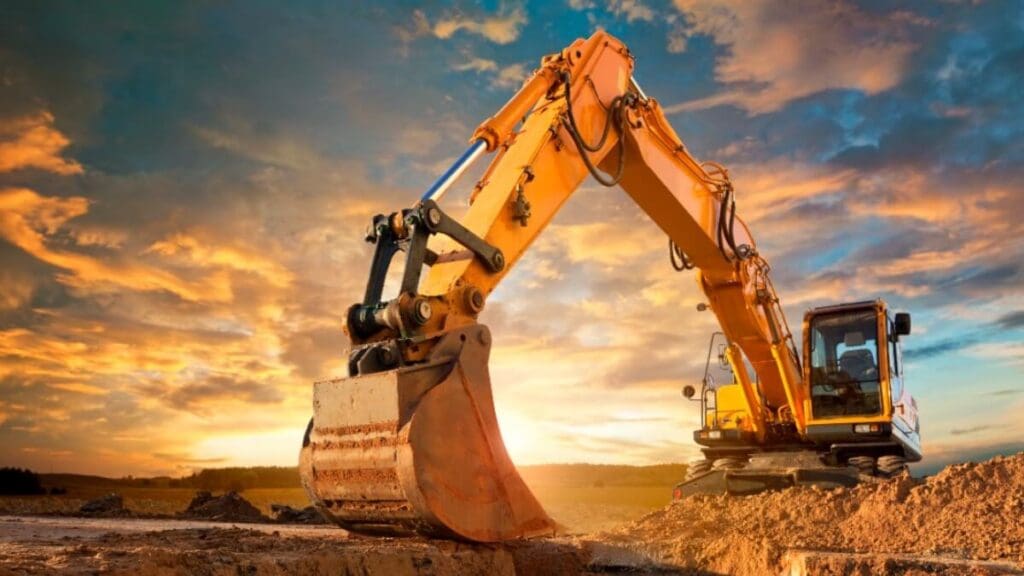
Excavators are heavy construction equipment comprised of a boom, arm, bucket, and cab attached to a rotating superstructure and an undercarriage. Their main purpose is digging as well as lifting and carrying tasks in various applications. Excavators can complete a wide range of tasks when equipped with hydraulic breakers, cutters, shears, grapples, couplers, etc. Their size depends on what you're using them for, how efficient they are, and if they're multi-functional. They are often used on sites where large holes need to be dug or old buildings need to be torn down. Their flexibility and various sizes allow them to be used for a wide range of tasks.
What Is Excavation?
Defining excavation allows us to clearly understand what excavators are capable of doing. Excavation involves removing soil, rocks, or debris from the ground so that construction, landscaping, or mining can take place. The work could include digging a foundation for a house, removing earth for road construction, or even clearing debris after a natural disaster.
The purpose of excavation is to prepare the land for building or development. In addition, it is used to lay underground cables, pipes, and sewer systems. And to do all of that? The go-to machine is an excavator.
What Is an Excavator Used For?
A construction excavator is like a Swiss Army knife. These tools aren't just for digging. Among the most common uses are:
Construction:
Excavators are used for a variety of tasks in the construction industry. They're used to dig foundations, grade land, and trench pipes and cables. For site preparation, their powerful buckets can break through even the toughest soil.
Demolition:
Excavators with breakers and crushers can bring down buildings and process debris to make way for new construction.
Material Handling:
The right attachments allow excavators to move large quantities of materials, including sand and rocks.
Mining:
During mining operations, excavators are essential for mining minerals, digging shafts, and moving overburden.
Forestry:
Excavators with special attachments are used in forestry to cut trees, remove stumps, and load logs.
Landscaping:
A smaller excavator is commonly used in landscaping for sculpting landforms, digging ponds, and preparing gardens.
Dredging:
Waterways, harbors, and docks are maintained by excavators to ensure that they are navigable and free from sediment accumulation.
Underwater Operations:
Excavators with specially adapted equipment can even work underwater to repair pipelines or build structures.
Types of Excavators
Apart from their size, excavators can also be classified according to their specific functionalities. Excavators used in various projects include the following types:
Crawler Excavator
The crawler excavator is the most commonly used excavator for mining, trench digging, and landscape grading. Because of their tracks, crawler excavators get their name as they move around a job site. Hydraulic power makes them extremely powerful machines. They are better suited to rough and uneven terrain because of their tracks.
Dragline Excavators:
Dragline excavators use hoist ropes and draglines to lift dirt and soil for underwater projects, pile driving, and road excavating. They are usually delivered to a job site in separate pieces due to their weight and awkward shape. Larger job sites and projects require these excavators.
Suction Excavators:
Dirt, soil, and debris are removed by suction excavators using water jets and high-pressure vacuums. Suction excavators are powered by wheeled vehicles and used for underground excavations, debris cleanups, and other delicate tasks.
Mini Excavator:
A compact, smaller version of a crawler excavator, mini excavators are useful in narrow job sites, job sites with obstacles, and jobs with delicate terrain like landscaping. Mini excavators have zero tail-wing capability and are ideal for small jobs. Mini excavators are also popular for home and DIY landscape projects.
Long-Reach Excavator:
The excavator has arms that extend up to 100 feet with attachments, making it great for heavy-duty digging and industrial demo projects. An extended arm and boom allow this type of machine to reach farther than other types. This is useful for demolishing buildings or dredging rivers without having to get too close to the edge.
Wheeled Excavator:
Wheeled excavators are similar to regular excavators, but they have wheels instead of tracks. Due to the fact that their wheels are kinder to finished roads and pavement as opposed to the traditional metal track excavators, wheeled excavators are more common. City projects, however, are increasingly utilizing wheeled excavators.
Skid Steer Excavator:
They are versatile and are often used in landscaping and small construction projects. They are equipped with wheels and can be fitted with different attachments. Even though they are smaller, they can still accomplish a lot when space is limited.
Type of Excavator Attachment Tool
In order to identify the different excavator sizes, we must first identify the different attachment tools. Depending on the type of work to be performed, attachment tools can be used with excavators to maximize productivity.
Bucket
Excavators commonly use this tool. Slim buckets are typically used for digging, while wide or smooth buckets are ideal for scooping or carrying items.
Thumb
The bucket capacity of an excavator is increased with this attachment. When excavating larger objects, the thumbs help strengthen the grip.
Augers
The attachment is usually used in landscaping and construction. Using augers, an excavator can dig holes more quickly and conveniently because they are supported by hydraulic spiral blades.
Hydraulic breaker
Hydraulic breaker attachments (also known as hammers) can break or destroy structures, pavements, and other solid surfaces. Demolition can be made quicker with this tool.
Shears
The shears are ideal for cutting metal beams, sheets, and wires, as well as demolishing buildings and steel structures.
Hydraulic quick coupler
For efficiency, hydraulic quick couplers are used. Using this attachment, an excavator can switch between tools without the assistance of a crew.
Ripper
The demolition of structures is sped up with this tool, just like with a hydraulic breaker. You can tear through strong materials with rippers. In all conditions, this attachment can be used. You can even use it to break through frozen surfaces.
Factors to Consider When Choosing the Right Size of Excavator for Your Project
An excavator's size isn't the only factor to consider when choosing one. You need to make sure it works for your project, your site, and the type of work you need done. It can cost you time, money, and fuel if you get it wrong. When choosing an excavator, consider these factors:
1. Job Site Size and Accessibility
Your project may require a compact or mini excavator if it is in a tight space, such as a backyard, narrow street, or between buildings. It is easier to maneuver them and they won't damage nearby structures.
If you have a large, open job site, like a construction zone or mining area, a medium or large excavator is better.
2. Digging Depth and Reach
Excavators can dig to different depths. Depending on the machine, some can dig as deep as 20 feet, while others only go down a few feet. Consider your project's digging requirements. When laying pipes or digging drainage holes, check the specs to see how far the excavator's arm can reach and how deep it can dig. A bigger machine usually has a longer reach and deeper depth.
3. Lift Capacity and Load Requirements
You need an excavator that can lift and swing heavy objects, such as rocks, logs, pipes, or concrete debris, safely.
Make sure the machine you are considering has a lift capacity chart. Depending on the boom length and angle, you can lift different amounts of weight. Excavators can be damaged or even destroyed by overloading them.
4. Transportation and Logistics
Make sure the excavator is on site before you start work. Heavy-duty trailers and special transport permits are required for larger machines. It is more difficult and expensive to move them around. When working at multiple locations, smaller excavators are easier to tow and unload.
5. Attachment Compatibility
Excavators can do more than dig-they can break, drill, grade, lift, and more. There are, however, some attachments that cannot be used by every machine. It is important to make sure the size of the excavator you select will fit the attachments you want to use. A small excavator, for instance, can't handle a full-size hydraulic breaker or large auger.
Why Excavators Are Essential in Modern Construction
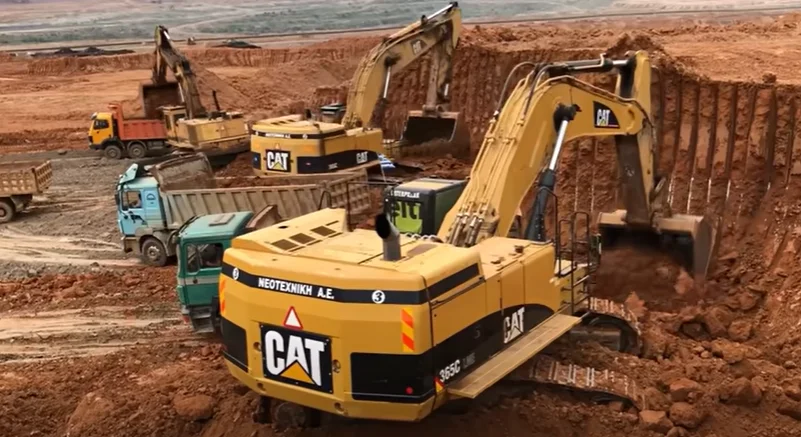
Excavators are everywhere because they save time, money, and effort. A skilled operator can dig a trench in hours instead of a team of workers digging it with shovels for a week. Excavators are safer and faster than hammers when it comes to breaking down concrete walls.
Excavators help build roads, bridges, and infrastructure that we all rely on. Modern construction would be impossible without them. With EquipmentsFinder, businesses can find the right excavator for any job, whether they're building a house or undertaking a major commercial construction project.
Final Thoughts
Excavators are more than just big machines with buckets. It's their job to solve problems. They've become one of the most important tools in construction and beyond. They handle everything from digging and lifting to demolishing and dredging. Think of an excavatorreshaping the ground beneath your feet if you're still wondering what excavation is. EquipmentsFinder connects you with the right machine at the right time when you need one.


